
Semblanza

Académicos por Departamento, IE-UNAM
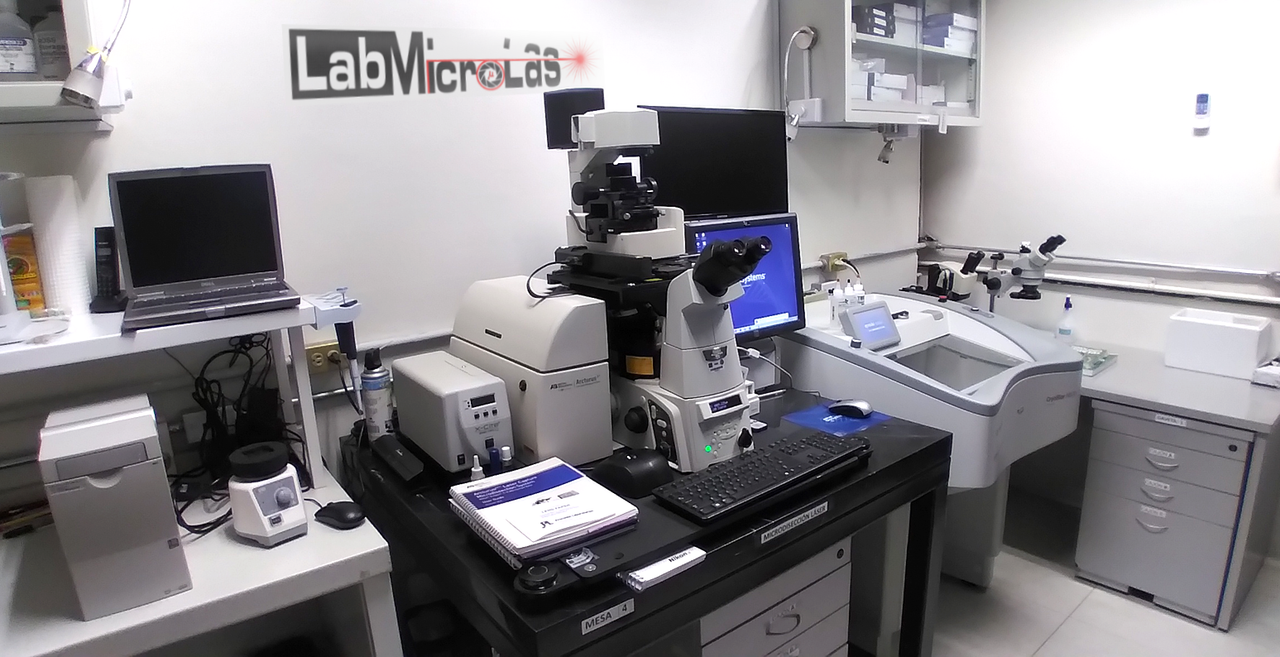
Gastón Contreras is a full-time Research Technician at the Instituto de Ecología, Universidad Nacional Autónoma de México (UNAM), where he serves as the manager of the Laser Microdissection and Microscopy Laboratory (LabMicroLas).
Gastón earned his B.Sc. in Chemistry from the Faculty of Sciences at the Universidad Autónoma del Estado de Morelos (UAEM). He subsequently obtained an M.Sc. in Chemistry from the Centro de Investigaciones Químicas at the same institution. In 2017, he completed his Ph.D. in Chemistry at the Département de Chimie, Faculté des Sciences, Université du Québec à Montréal (UQAM), Canada, where he was awarded a full scholarship by the Fonds de recherche du Québec – Nature et technologies (FRQNT).
His academic training as a chemist has provided him with a strong foundation for understanding the fundamental principles governing matter–radiation interactions, molecular transformations, and intermolecular phenomena. Throughout his career, Gastón has participated in a wide range of multidisciplinary research projects, including in vitro simulations of planetary atmospheres, elucidation and characterization of molecular structures, GC-MSn analysis of aerosol gas-phase compounds, HPLC method development and quantitative analysis, development of in silico algorithms for solving complex nonlinear equation systems, modeling of nonlinear biological systems, development of optical and electrochemical biosensors, and advanced optical and electron microscopy techniques.
More recently, his work has focused on laser microdissection technologies for the extraction and isolation of specific biological tissues and cells for downstream omics applications, contributing to the advancement of modern biological and ecological research.
Since 2019, Gastón has been a staff member of the Instituto de Ecología, UNAM, where he serves as the manager of the Laser Microdissection and Microscopy Laboratory (LabMicroLas). In the same year, he was recognized by Mexico’s National System of Researchers (Sistema Nacional de Investigadores, SNII–CONACYT) as a Candidate Researcher and later in 2024, he was promoted to level 1 of SNII. Since joining the Institute, he has contributed to the publication of ten peer-reviewed articles in high-impact international journals, as well as three science communication and outreach articles.
Through his work at LabMicroLas, Gastón has supported multidisciplinary research projects by providing advanced microscopy and laser microdissection expertise, fostering collaborations across diverse areas of biological, ecological, and biomedical research.

- Script: Gastón Contreras Jiménez
- Production: Dirección General de Divulgación de la Ciencia - UNAM
- Sponsor: Instituto de Ecología - UNAM

Líneas de Investigación / Líneas de Trabajo
Como el Técnico Responsable del LabMicroLas, Gastón Contreras brinda asesoría y asistencia técnica en la microdisección láser y en las técnicas de microscopía convencionales con las que cuenta el LabMicroLas. El servicio se ofrece a toda la comunidad académica del Instituto de Ecología, a los demás institutos y dependencias de la UNAM e incluso, a entidades externas. Los servicios que actualmente se ofrecen en el LabMicroLas son:
1. Corte y aislamiento de tejidos biológicos o células individuales de cultivos celulares mediante la técnica de microdisección láser para la extracción y purificaión de biomoléculas (ácidos nucleicos, proteínas, metabolitos) con el sistema ArcturusXT - Nikon Eclipse Ti y su posterior análisis genómico, transcriptómico, proteómico y/o metabolómico.
2. Observación y adquisición de imágenes por microscopía óptica (Campo claro, contraste de fases, Nomarski, fluorescencia) con los microscopios Nikon Eclipsse Ti y MacroView Nikon AZ100M.
Formación Académica
- Doctorado en Química, UQÀM. Departamento de Química y Bioquímica de la Facultad de Ciencias; Montreal, Quebec, Canadá.
Tesis: "Development of Biosensors Based on Aptamers for the Detection and Quantification of Hormonal Pollutants into Water".
(2013 - 2017).
- Doctorado en Ciencias de la Energía y de los Materiales, INRS. Instituto Nacional de la Investigación Científica - Energía, Materiales y Telecomunicaciones; Varennes, Quebec, Canadá.
Proyecto: "Development of DNA-based Optical Biosensors for Emerging Contaminants Detection".
(2011 - 2013)- Pgm. parcial.
- Maestría en Ciencias (Química Analítica), UAEM, Centro de Investigaciones Químicas de la Facultad de Ciencias; Cuernavaca, Morelos.
Tesis: "Determinación del índice de refracción complejo de análogos de aerosoles de la atmósfera de Titán usando las ecuaciones de Abelès".
(2008 - 2011).
- Licenciatura en Ciencias (Química), UAEM, Facultad de Ciencias.
Tesis: "Caracterización física y química de análogos de aerosoles de la atmósfera de Titán".
(2002 - 2008).
Experiencia profesional
- Técnico Académico Titular "B", T. C. (Febrero/2019 - Actualidad). Unidad de Servicios y Apoyo Técnico del Instituto de Ecología, UNAM.
- Técnico Microscopista por Honorarios de Tiempo Completo (Mayo/2018 - Diciembre/2018). Laboratorio Nacional de Microscopía Avanzacada, Instituto de Biotecnología, UNAM.
Con fondos del LNMA.
Supervisor: Dr. Christopher Wood
- Posdoctorado, T. C. (Mayo/2017 - Abril/2018). Consorcio de Fisiología del Espermatozoide y Laboratorio Nacional de Microscopía Avanzacada, Instituto de Biotecnología, UNAM.
Por Proyecto de CONACYT.
Asesores: Dr. Alberto Darszon y Dr. Christopher Wood


Premios y Distinciones
1. Sistema Nacional de Investigadoras e Investigadores (SNII):
SNII NIvel 1 (enero/2024 - diciembre/2028)
SNII Nivel Candidato Prórroga (enero/2021 - diciembre/2022)
SNII Nivel Candidato (enero/2019 - diciembre/2021).
2. Programa de Estímulos al Personal Académico por Equivalencia:
Nivel “B”.
3. Aceptado al Programa de Estímulos a la Iniciación del Personal Académico

4. Beca de doctorado; Le Fonds de recherche du Québec - Nature et technologies (FRQNT), Beca completa otorgada por el gobierno de Quebec (Canadá) para estudiantes extranjeros de $25 000 CAD/año. Program 1M. De 2011/03 a 2013/12.
Proyectos de Investigación Actuales
Proyectos de Investigación Propios
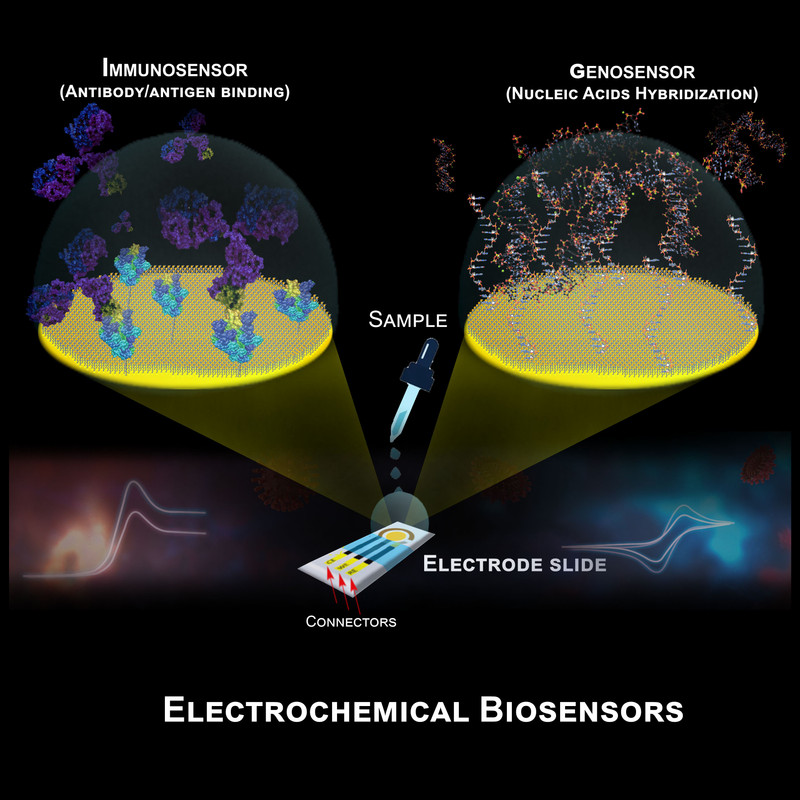
1. (2020) Desarrollo de Biosensores Electroquímicos para la Detección in-vitro de ARN Viral del SARS-CoV-2 y de Anticuerpos Generados por COVID-19.
Como un esfuerzo más por controlar la pandemia de COVID-19, y para prepararnos a eventos similares en el futuro, estamos desarrollando biosensores electroquímicos para la detección rápida 1) de anticuerpos generados por COVID-19, en el que se utilizan las proteínas del virus como receptores (Inmunosensor) y la detección 2) del RNA viral del SARS-CoV-2 mediante el uso de secuencias de DNA sintético complementario a regiones únicas del genoma viral (Genosensor), en celdas de 3 electrodos.
Proyectos de Investigación en Colaboración
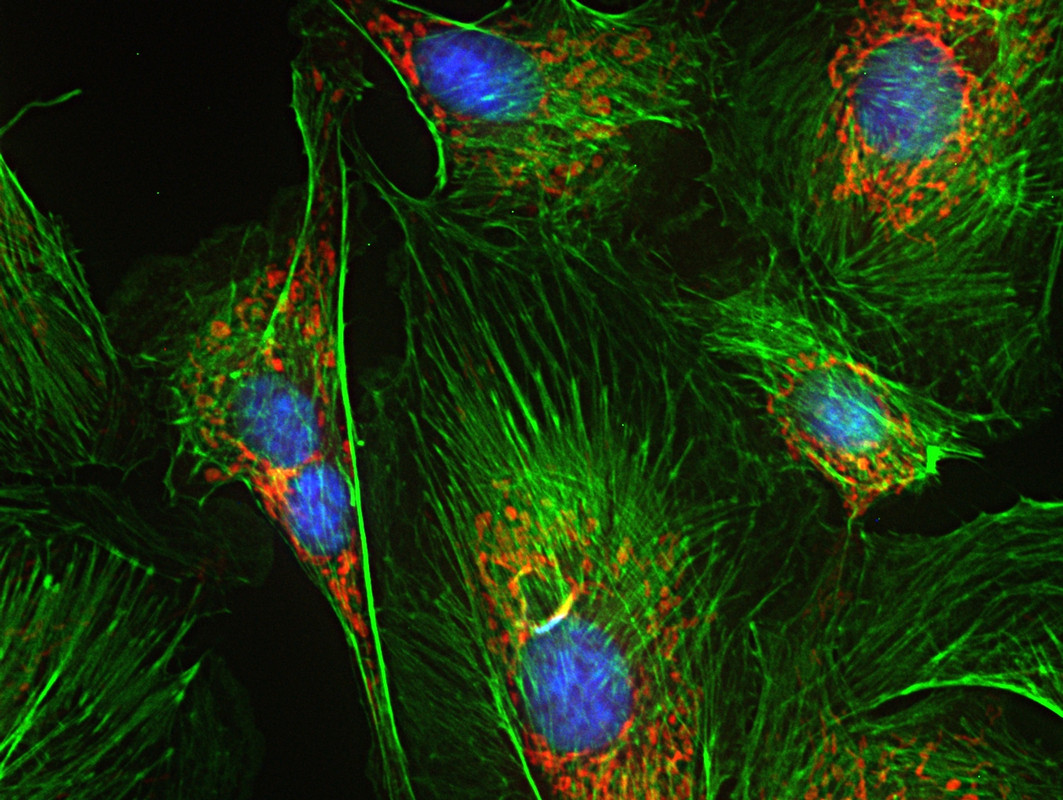
1. Dinámicas Moleculares y Celulares Durante el Desarrollo Estudiadas en Vivo: De los Nichos de Células Troncales de Plantas al Sistema Nervioso de los Humanos
Coordinado por la Dra. Elena Álvarez-Buylla.
Observación de raíces de Arabidopsis por microscopía de fluorescencia.
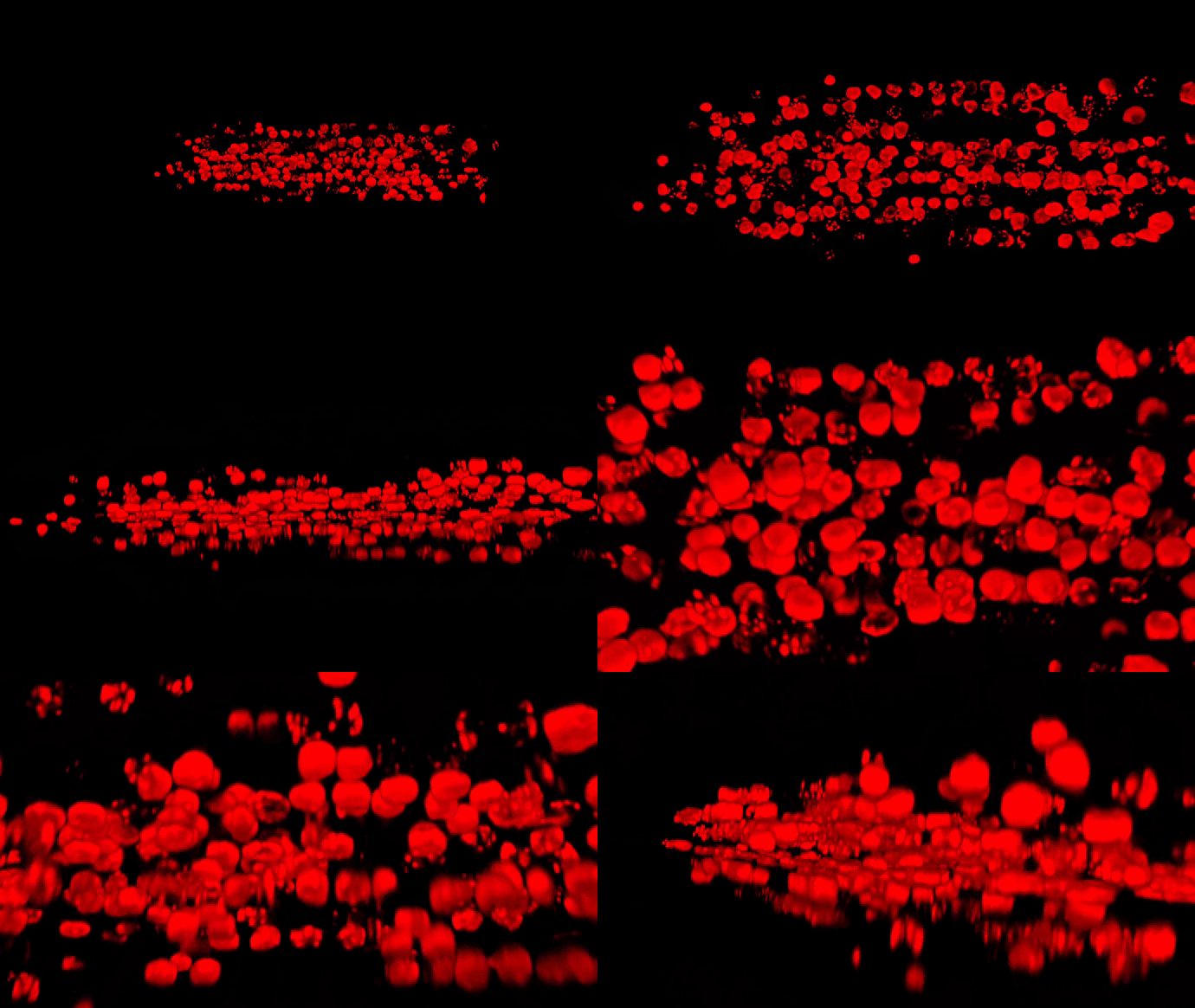
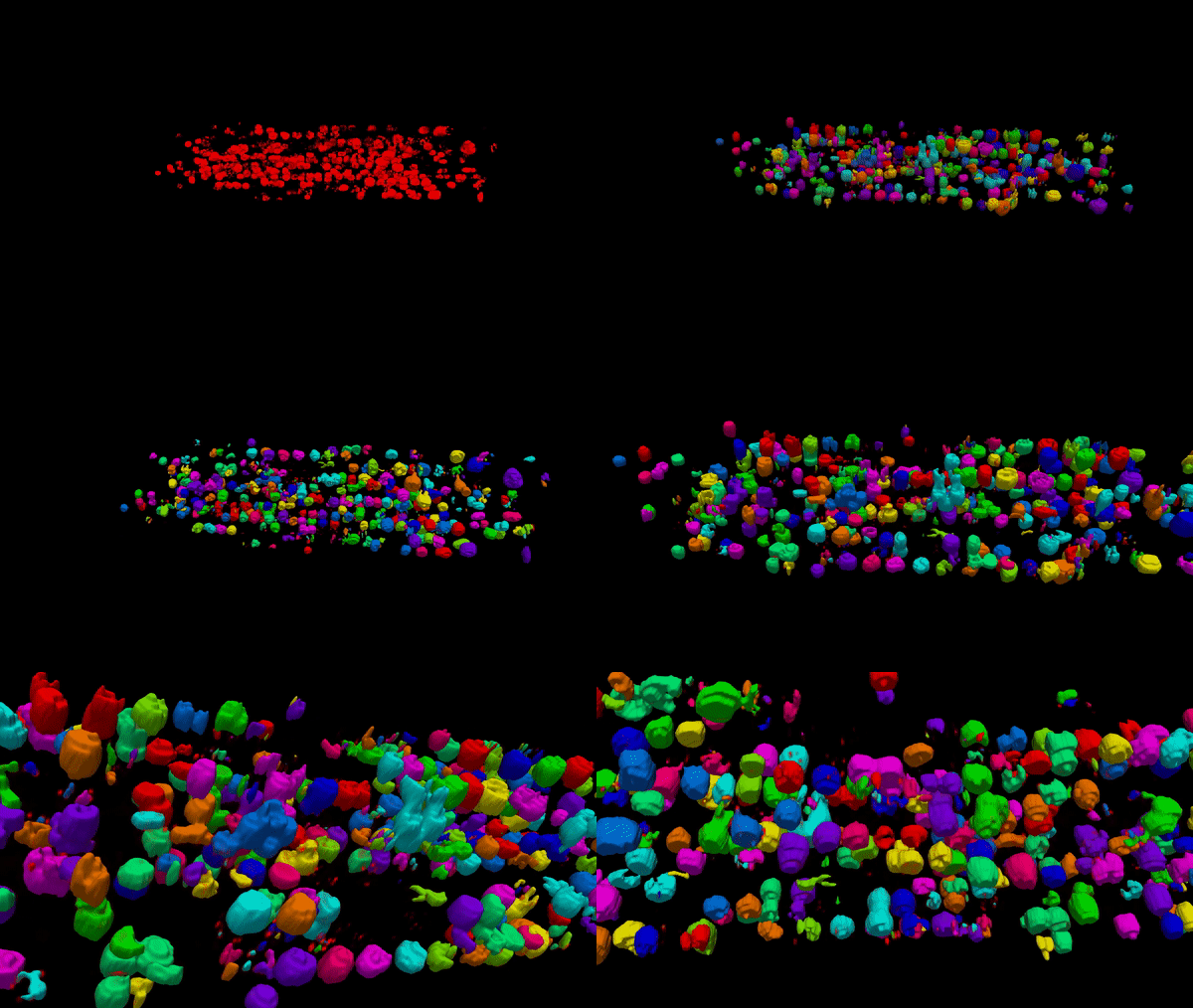
Reconstrucción de imágenes en 3D. Procesamiento y Análisis de Imágenes Adquirirdas por Microscopía

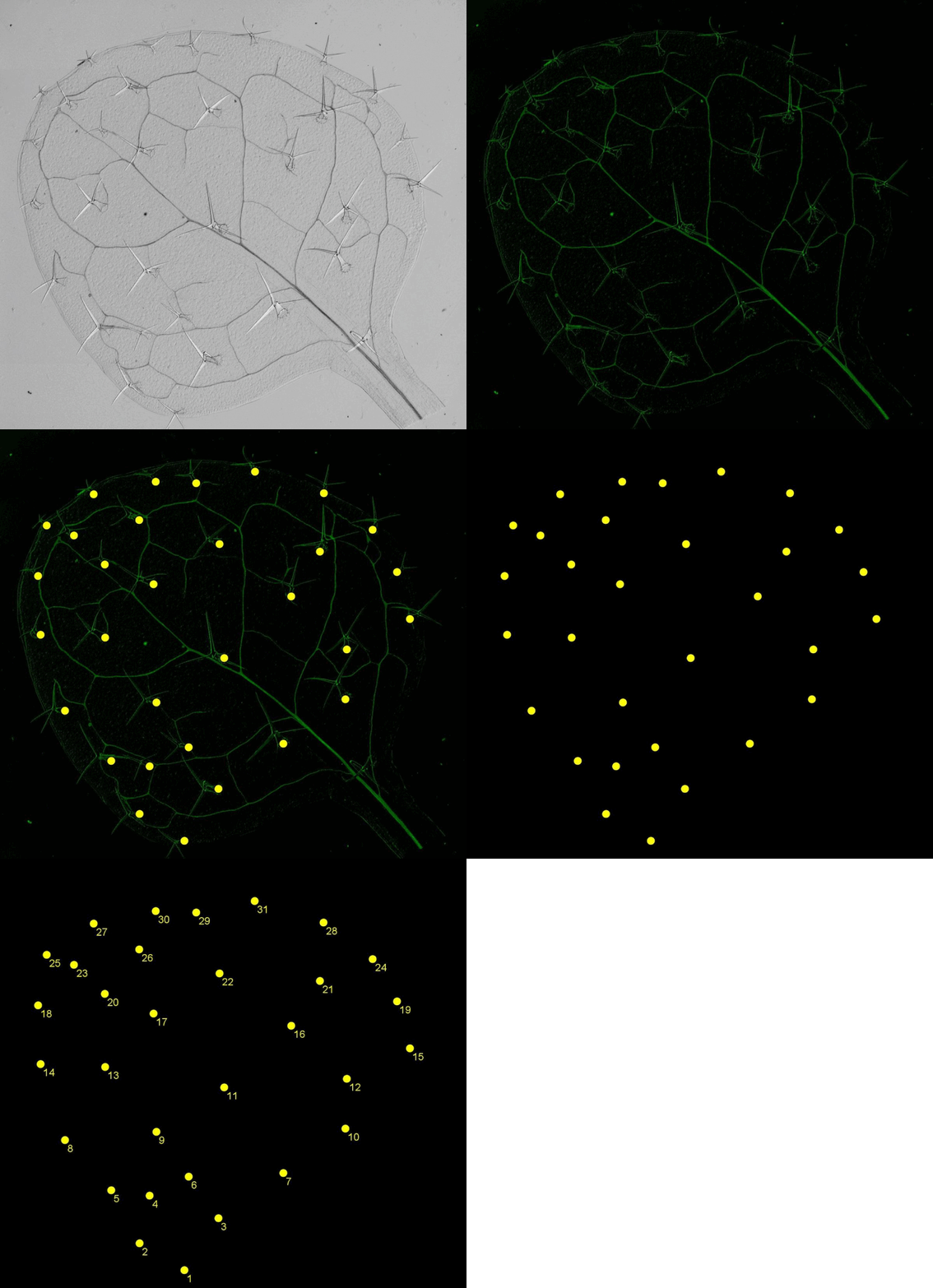
2. Los Patrones de Turing en la Distribución de Tricomas en las Hojas de Arabidopsis Thaliana
Coordinado por la Dra. Elena Álvarez-Buylla y el Dr. Joel Stavans (Weizmann Institute of Science, Israel)
Conteo de tricomas en hojas de Arabidopsis, Wildtyoe y mutantes.
Publicaciones

Academic Profile:
Total Citations: 481
H-Index: 7
i10-Index: 7
International Papers
2023
8. Luis V. Pedrero-López*, César M. Flores-Ortiz, Blanca Pérez-García, ..., Gastón Contreras-Jiménez, Alma Orozco-Segovia*. Non-chlorophyllous and crypto-chlorophyllous fern spores differ in their mobilisation of fatty acids during priming. Physiologia Plantarum, 175, 1, 38–48.
DOI: https://doi.org/10.1111/ppl.13848
JIF: 6.2
Citations: 0
2021
 7. Siham Chergui, Khaled Rhili, Juan Carlos Abrego-Martinez, Gastón Contreras Jiménez, and Mohamed Siaj*. Selection of Highly Specific Aptamers by Graphene Oxide-SELEX to Ultrasensitive Label-Free Impedimetric Biosensor Development for Glyphosate Detection. ACS Agricultural Science & Technology, 1, 6, 655–663.
DOI: https://doi.org/10.1021/acsagscitech.1c00147
JIF: 2.5
Citations: 7
2020
 6. N’Diaye, Jeanne, Sujittra Poorahong, Ons Hmam, Gastón Contreras Jiménez, Ricardo Izquierdo, and Mohamed Siaj*. Reduced Graphene Oxide-Based Foam as an Endocrine Disruptor Adsorbent in Aqueous Solutions. MDPI Membranes, 10, no. 11: 340.
DOI: https://doi.org/10.3390/membranes10110340
JIF: 4.5
Citations: 8
2019
 5. Mehennaoui S., Poorahong S., Contreras Jimenez G., Siaj M.*. Selection of high affinity aptamer-ligand for dexamethasone and its electrochemical biosensor. Nature Scientific Reports 9:6600.
DOI: doi: 10.1038/s41598-019-42671-3
JIF: 4.6
Citations: 37
2018
4. Romarowski, A.; Velasco Félix, Á. G.; Torres Rodríguez, P.; Gervasi, M. G.; Xu, X.; Luque, G. M.; Contreras-Jiménez, G.; ...; Krapf, D.; Visconti, P. E.; Krapf, D.; Guerrero, A.; Darszon, A.; Buffone, M. G*. Super-resolution imaging of live sperm reveals dynamic changes of the actin cytoskeleton during acrosomal exocytosis. Journal of Cell Science, 131: jcs.218958.
DOI: doi: 10.1242/jcs.218958
JIF: 5.3
Citations: 24
2015
3. Eissa, S.; Contreras Jimenez, G.; Mahvash, F.; Guermoune, A.; Tlili, C.; Szkopek, T.; Zourob, M.; Siaj, M*. Functionalized CVD monolayer graphene for label-free impedimetric biosensing. Nano Research 8:1698-1709.
DOI: doi:10.1007/s12274-014-0671-0
JIF: 10.2
Citations: 65
2. Contreras Jimenez, G.; Eissa, S.; Ng, A.; Alhadrami, H.; Zourob, M*.; Siaj, M*. Aptamer-based label-free impedimetric biosensor for detection of progesterone. ACS Analytical Chemistry 87:1075-1082.
DOI: doi:10.1021/ac503639s
JIF: 8.0
Citations: 150
2010
 1. Voss, P. B.*; Zaveri, R. A.; Flocke, F. M.; Mao, H.; Hartley, T. P.; DeAmicis, P.; Deonandan, I.; Contreras-Jiménez, G.; et al. Long-range pollution transport during the MILAGRO-2006 campaign: a case study of a major Mexico City outflow event using free-floating altitude-controlled balloons. Atmospheric Chemistry and Physics 10:7137-7159.
DOI: doi.org/10.5194/acp-10-7137-2010
JIF: 7.2
Citations: 35
Outreach Articles
2016
2. G. Contreras Jiménez. 2016. Los Aptámeros: ADN que se usa en sensores para la detección de compuestos químicos. La Unión de Morelos. Academia de Ciencias de Morelos, p26-27.
1. G. Contreras Jiménez. 2011. Las brumas de Titán. ¿Cómo ves? 13(154):16-19.
Acknowledgements in Scientific Articles
2020
3. Chávez, J. C., et al. Quantitative Intracellular pH Determinations in Single Live Mammalian Spermatozoa Using the Ratiometric Dye SNARF-5F, Frontiers in Cell and Developmental Biology, 7:366 (2020).
doi: https://doi.org/10.3389/fcell.2019.00366
2019
2. Solano-De la Cruz, M.T., Adame-García, J., Gregorio-Jorge, J. et al. Functional categorization of de novo transcriptome assembly of Vanilla planifolia Jacks. potentially points to a translational regulation during early stages of infection by Fusarium oxysporum f. sp. vanillae, BMC Genomics 20, 826 (2019).
doi.org/10.1186/s12864-019-6229-5
2004
1. Flores-Sánchez, P., Escalante J. and Castillo E. Enzymatic resolution of N-Protected-β3-Amino Methyl Esters, using Lipase B from Candida Antarctica. Tetrahedron asymmetry, 16:629–634 (2005).
doi.org/10.1016/j.tetasy.2004.11.082
Tesis Dirigidas
Tesis Dirigidas
* * *
Agradecimientos en Tesis
2018
5. José Pablo Ocelotl Oviedo. 2018. Estudio de la actividad unitaria del receptor P2X4 humano por fluorescencia. Instituto de Biotecnología – UNAM. Cuernavaca, Mor. MEX.
2016
4. Mohammed Alahmadi. 2016. Encapsulation de nanoparticules à base de carbure de fer magnétique: synthèse, fonctionnalisation et application. Faculté de Sciences, UQÀM, Montreal, QC, Canada.
3. Somia Mehennaoui. 2016. Développement d’une plateforme électrochimique à base d’aptamère pour la biodétection de la dexaméthasone dans l’eau. Faculté de Sciences, UQÀM, Montreal, QC, Canada.
2015
2. Mohammadali Safavieh: 2015. Development of Lab On A Chip Platforms for Bacteria Detection Based on Loop.Mediated Isothermal Amplification. INRS – EMT, Varennes, QC, Canada.
1. Shimaa Hassan Hassan Eissa. 2015. Electrochemical Biosensors for foodborne contaminants based on aptamers and graphene materials. INRS – EMT, Varennes, QC, Canada.
Información del Laboratorio
Contacto
- Teléfono: 5556230222 Ext. 46870
- E-Mail: co.gaston@ecologia.unam.mx
- Página WEB: http://web.ecologia.unam.mx/labmicrolas